Narrow Streets: A Modern Typeface for Contemporary Design
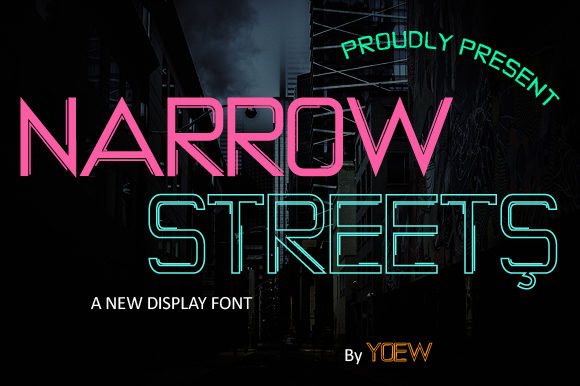
In the ever-evolving world of digital design, typography plays a crucial role in shaping user experience and visual identity. One font that has recently gained attention for its simplicity, elegance, and versatility is Narrow Streets. This display font offers a clean, thin, and smooth aesthetic that aligns perfectly with current design trends and user expectations. Whether you're a designer, marketer, or content creator, understanding the value of Narrow Streets can help you elevate your projects with a fresh and modern touch.
The Rise of Minimalist Typography
As digital interfaces become more complex, there's a growing demand for typography that is both visually appealing and functionally effective. Narrow Streets fits this need by offering a minimalist approach to design. Its narrow character width allows for more text to be displayed within limited space, making it ideal for websites, mobile apps, and social media platforms where space is at a premium.
This font’s clean lines and smooth curves contribute to a sense of calm and clarity, which resonates with users who are increasingly seeking streamlined experiences. In an age where information overload is common, Narrow Streets helps cut through the noise with its uncluttered appearance. It’s not just about aesthetics—it’s about usability and accessibility.
Why Narrow Streets Stands Out
Narrow Streets is more than just another display font; it’s a thoughtful design choice that addresses real-world challenges. Its thin stroke weight creates a delicate balance between visibility and subtlety, ensuring readability without sacrificing style. The smooth transitions between characters enhance legibility, especially on screens with varying resolutions and sizes.
One of the key strengths of Narrow Streets is its adaptability. It works well across different mediums, from print to digital, and can be paired with other fonts to create a cohesive typographic hierarchy. For example, using Narrow Streets as a headline font paired with a more traditional serif or sans-serif body font can add visual interest while maintaining readability.
Additionally, the font’s unique character shapes make it stand out in a crowded market. While many display fonts aim for boldness, Narrow Streets leans into understated elegance. This makes it particularly suitable for branding, logos, and creative projects where a subtle yet impactful presence is desired.
Aligning with Current Design Trends
Design trends are constantly shifting, but one consistent theme is the preference for simplicity and efficiency. Narrow Streets embodies this philosophy, making it a natural fit for modern design practices. As remote work and digital collaboration become more prevalent, the need for clear, concise communication has never been greater. Fonts like Narrow Streets support this by providing a clean and professional look that enhances readability and user engagement.
Moreover, the rise of minimalism in web design has led to a greater emphasis on negative space and visual breathing room. Narrow Streets contributes to this by allowing designers to maximize text density without overwhelming the viewer. This is especially useful for content-heavy websites, landing pages, and digital publications where information needs to be conveyed clearly and efficiently.
Practical Applications for Professionals and Creators
For professionals in fields such as marketing, education, and business, Narrow Streets offers a versatile tool for enhancing brand identity and communication. Its clean and modern appearance makes it an excellent choice for presentations, reports, and promotional materials. By incorporating Narrow Streets into their design toolkit, creators can ensure their content stands out while maintaining a professional tone.
Freelancers and small business owners can also benefit from the font’s flexibility. Whether used for website headers, social media posts, or email signatures, Narrow Streets adds a touch of sophistication without requiring extensive design expertise. Its ease of use means that even those with limited design experience can incorporate it effectively into their projects.
For educators and content creators, Narrow Streets can help improve the readability of educational materials, infographics, and instructional guides. Its clear structure and consistent spacing make it ideal for conveying complex ideas in an accessible format. This is particularly valuable in online learning environments where visual clarity is essential for student engagement.
How to Use Narrow Streets Effectively
While Narrow Streets is a powerful tool, its effectiveness depends on how it is applied. Here are some practical tips for using it in your design projects:
- Use it sparingly: As a display font, Narrow Streets is best used for headlines, titles, or accents rather than entire blocks of text. Overuse can lead to visual fatigue and reduce readability.
- Pair it wisely: Combine Narrow Streets with complementary fonts to create a balanced typographic composition. For example, pair it with a sans-serif body font for a modern, professional look.
- Test across devices: Ensure that Narrow Streets looks good on all screen sizes and resolutions. This is especially important for responsive web design and mobile applications.
- Consider contrast: Use high-contrast color combinations to make Narrow Streets stand out. This will help maintain legibility and visual impact.
- Experiment with spacing: Adjust letter and line spacing to suit your design goals. Proper spacing can significantly affect the overall appearance and readability of the font.
By following these guidelines, you can ensure that Narrow Streets enhances your design without overshadowing the content itself.
Conclusion
Narrow Streets represents a shift towards more thoughtful and functional typography. Its clean, thin, and smooth design makes it a standout choice for designers, marketers, and creators looking to simplify their visual communication. As digital design continues to evolve, fonts like Narrow Streets will play an increasingly important role in shaping user experiences and brand identities.