Coffee Tea: A Strategic Tool for Design and Communication
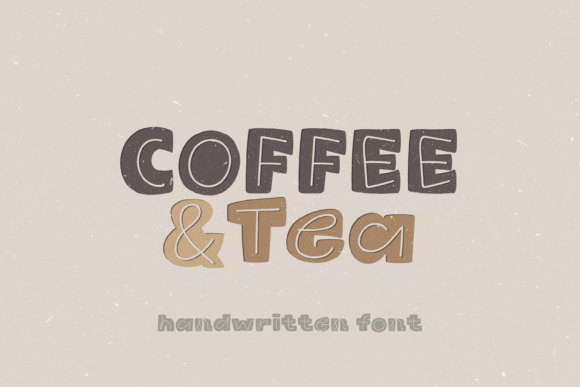
Coffee Tea is more than just a font—it’s a visual strategy that can elevate your design projects with its unique contrast and layered aesthetic. This cute, stylized display font offers a fresh way to communicate ideas, engage audiences, and stand out in a crowded digital landscape. Whether you're working on branding, marketing materials, or creative content, Coffee Tea has the potential to become an essential tool in your design toolkit.
The Strategic Value of Coffee Tea
In today’s fast-paced world, Coffee Tea provides a clear advantage by offering a visually striking alternative to standard fonts. Its contrasty feel allows it to draw attention quickly, making it ideal for headlines, calls to action, and key messages. But beyond its visual appeal, Coffee Tea also supports strategic goals such as improving communication clarity, enhancing brand identity, and boosting user engagement.
For professionals like entrepreneurs, marketers, and educators, Coffee Tea can be a powerful asset. It helps convey a message with personality and energy, which is crucial when building connections with your audience. When used thoughtfully, this font can reinforce your brand’s voice and create a memorable impression that aligns with your overall strategy.
When to Use Coffee Tea
The effectiveness of Coffee Tea depends largely on how and when you use it. It excels in scenarios where visual impact is key, such as:
- Branding materials like logos, packaging, and social media graphics
- Marketing campaigns that require a bold, eye-catching presence
- Website headers, banners, and promotional content
- Printed materials such as brochures, flyers, and event invitations
- Design projects aimed at younger or more creative audiences
However, it’s important to consider the context in which Coffee Tea is applied. While it can enhance visual storytelling, overuse may dilute its impact. Strategic application ensures that the font complements rather than overwhelms the message it’s meant to convey.
How to Approach Coffee Tea Effectively
To get the most out of Coffee Tea, start by defining your goals and understanding your audience. Ask yourself: What message do I want to communicate? Who am I trying to reach? How does Coffee Tea align with my brand’s identity and values?
Once you have a clear purpose, experiment with different applications. Consider pairing Coffee Tea with complementary fonts for body text to maintain readability while still making a visual statement. For example, using Coffee Tea for headlines and a clean sans-serif font for body copy can create a balanced and professional look.
Another effective approach is to use Coffee Tea in limited quantities. Apply it to key elements such as titles, buttons, or icons to guide the viewer’s attention without overwhelming them. This method ensures that the font remains a strategic choice rather than a random stylistic preference.
Practical Examples and Planning Tips
Let’s explore a few practical examples to illustrate how Coffee Tea can be strategically implemented:
- Brand Identity: A small business owner launching a new line of coffee-themed products might use Coffee Tea in their logo and packaging to reflect the playful, energetic nature of their brand.
- Marketing Campaigns: A digital marketer creating a social media campaign could use Coffee Tea in headlines and call-to-action buttons to grab attention and encourage clicks.
- Content Creation: A blogger or educator might incorporate Coffee Tea into infographics or slide decks to highlight key points and make complex information more engaging.
- User Experience: A website designer could use Coffee Tea for navigation menus or section headings to improve usability and create a cohesive visual hierarchy.
These examples show how Coffee Tea can be integrated into various aspects of your work, supporting both short-term objectives and long-term brand development.
What to Consider Before Relying on Coffee Tea
While Coffee Tea offers many benefits, it’s important to recognize its limitations and potential risks. One of the main considerations is readability. Because of its stylized design, Coffee Tea may not be suitable for extended text or fine print. Always test the font in different contexts to ensure it meets your needs.
Another factor to consider is accessibility. Ensure that Coffee Tea works well with screen readers and other assistive technologies. If you’re targeting a diverse audience, including older adults or those with visual impairments, it’s wise to provide alternative text options or use the font sparingly.
Finally, avoid relying on Coffee Tea as a substitute for thoughtful design. While it can enhance your visuals, it should never overshadow the content or message you’re trying to deliver. Use it intentionally, and always prioritize clarity and functionality.
Strategic Observations and Decision-Making Guidance
When deciding whether to use Coffee Tea, ask yourself a few key questions:
- Does this font align with my brand’s personality and messaging?
- Will it help me achieve my communication goals effectively?
- Is it appropriate for the platform or medium I’m using?
- Am I using it in a way that adds value rather than distraction?
These questions help ensure that your use of Coffee Tea is both intentional and impactful. By evaluating each application through this lens, you can make informed decisions that support your overall strategy and outcomes.
Conclusion
Coffee Tea is a versatile and strategic design tool that can elevate your projects and strengthen your communication. When used thoughtfully, it can enhance branding, improve user engagement, and support your long-term goals. However, it’s important to approach it with intention, ensuring that it serves a purpose rather than being used for style alone.
By considering context, audience, and purpose, you can harness the power of Coffee Tea to create designs that are both visually compelling and strategically sound. With the right planning and execution, this font can become a valuable asset in your creative arsenal.